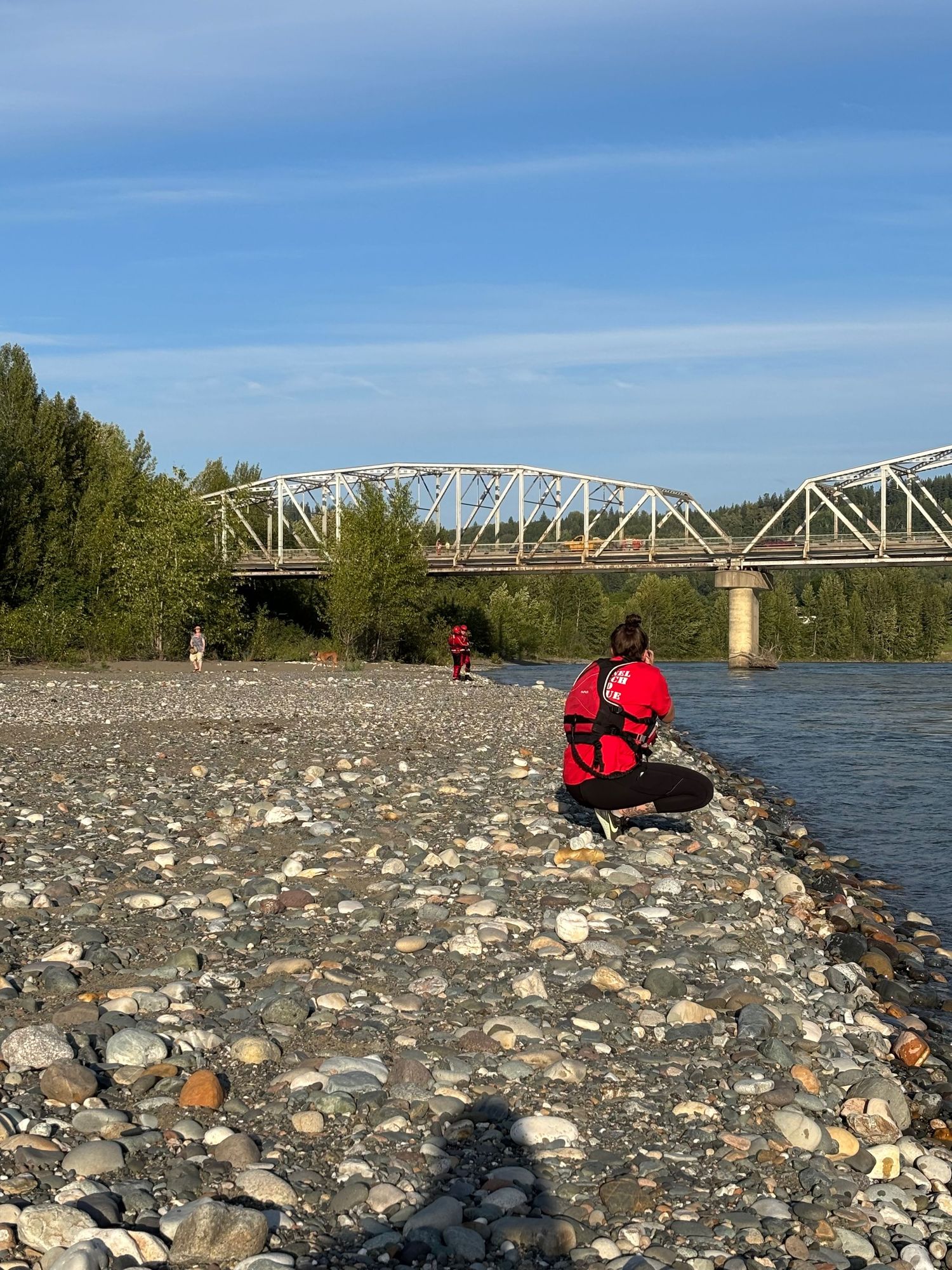
You keep saying these words, but what the hell is emergency management?
I realized recently while talking to my lovely insurance broker that most people actually don’t know what “emergency management” really means in practicality and, to be completely fair, it's a super broad term and looks different depending on who you ask, whether they work for something like a provincial or state-level emergency management program, a charity like Red Cross, or in wildfire, for example. I’m fairly certain this is my actual 10-year mark of being in that field one way or another. I left it in a full time capacity a couple of years ago, but still kept my foot in the door with search and rescue. To give you an idea of one person's experience in this field, here are some things I’ve done over the last decade, working with government, charity, and private-sector organizations:
• Supervised a completely volunteer-based Emergency Social Services program to make sure emergency evacuees had access to lodging, food, and basic needs
• Worked for the Canadian Red Cross managing volunteers and doing similar work on deployment
• Responded “on the ground” to fires, floods, and a hurricane doing debris removal, running chainsaws, directing crews, working with heavy equipment, sitting in meetings with the UN and other international stakeholders, repairing generators, tearing out drywall, sandbagging, risk assessments, booking flights, writing incident action plans…
• Got a bunch of structural and wildfire certifications and served on an Incident Management Team for BC Wildfire – meaning I was part of an amazing team that managed every aspect of wildfire response on our assigned incidents around the province (everything from crews, to aviation, to mapping, and public information, depending on someone’s role - personally, I was in the Planning section)
• Wrote policy, created training programs and taught them – especially anything leadership or Incident Command System related
• Joined Quesnel Search and Rescue and achieved my Search Manager certification, so I can manage swiftwater, ice rescue, rope rescue, ground search, medical, and recovery calls
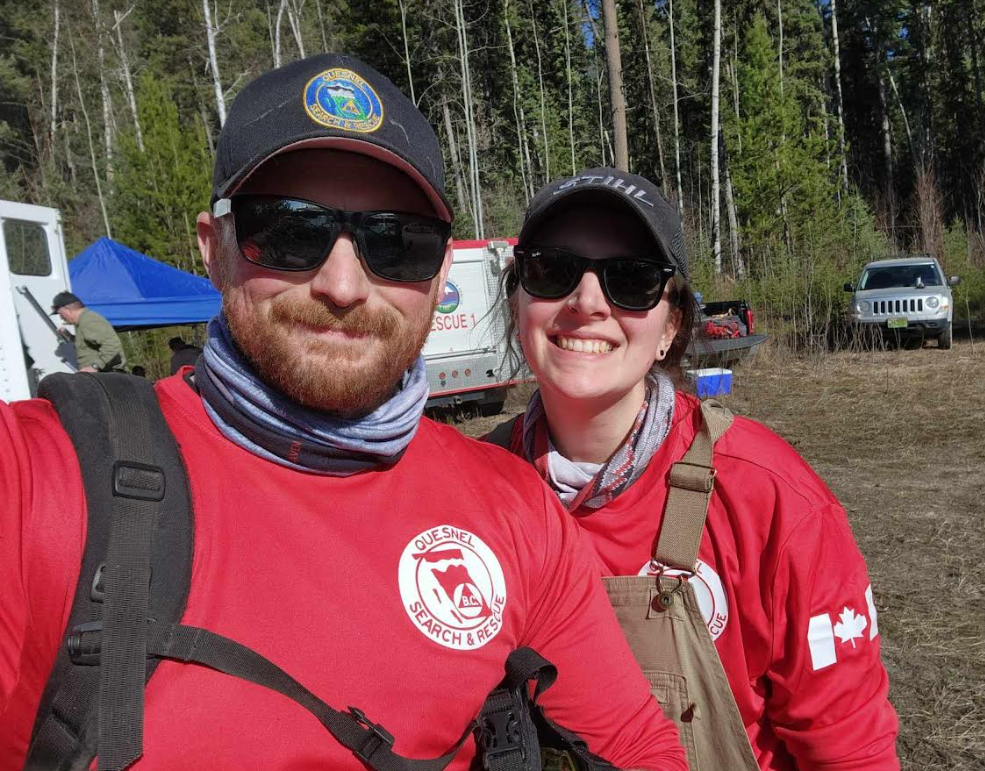
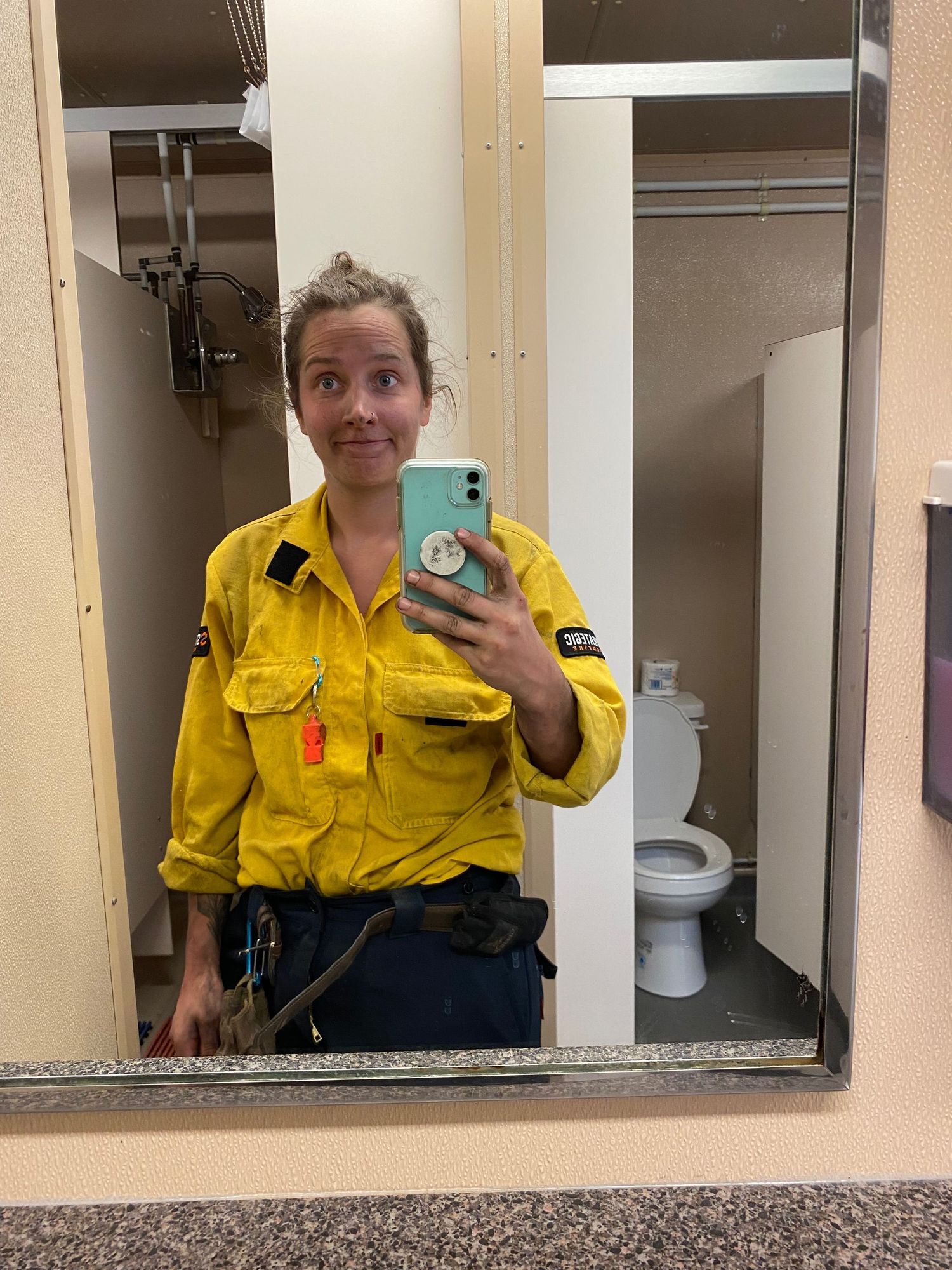
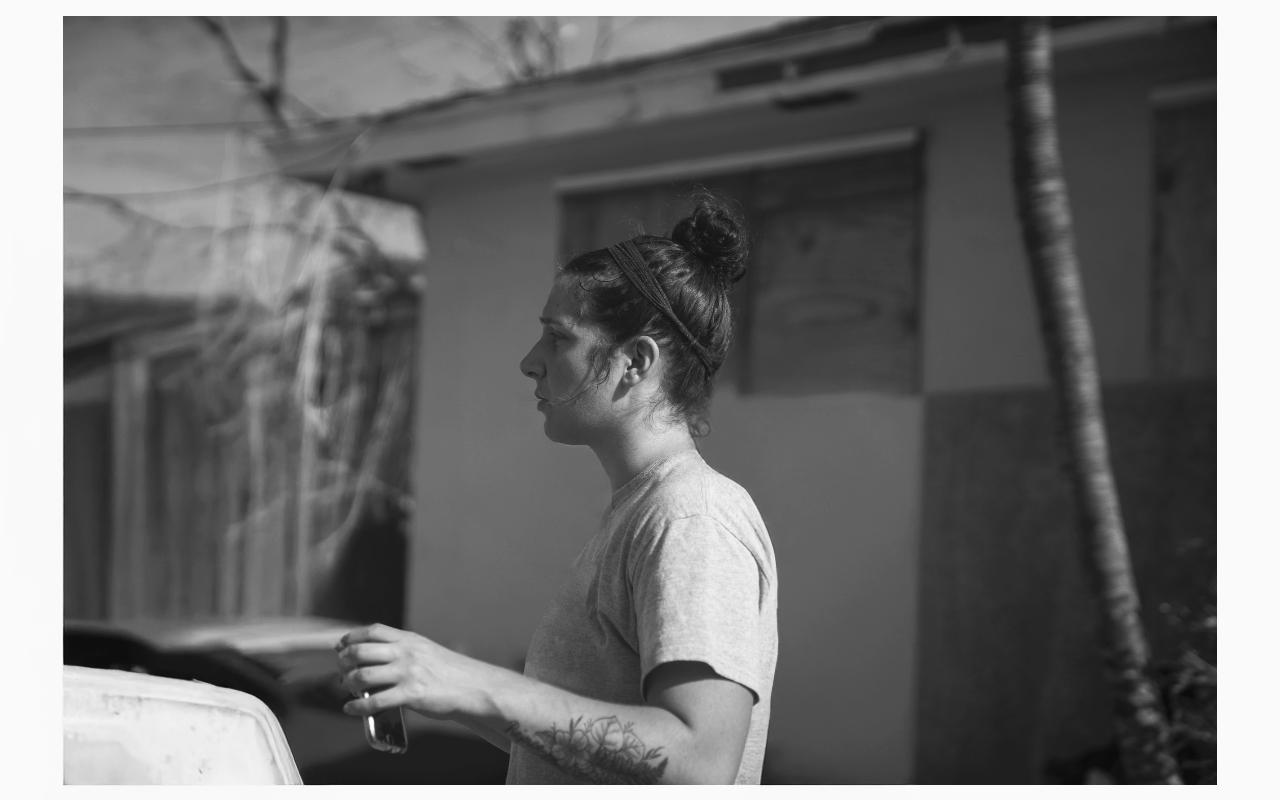
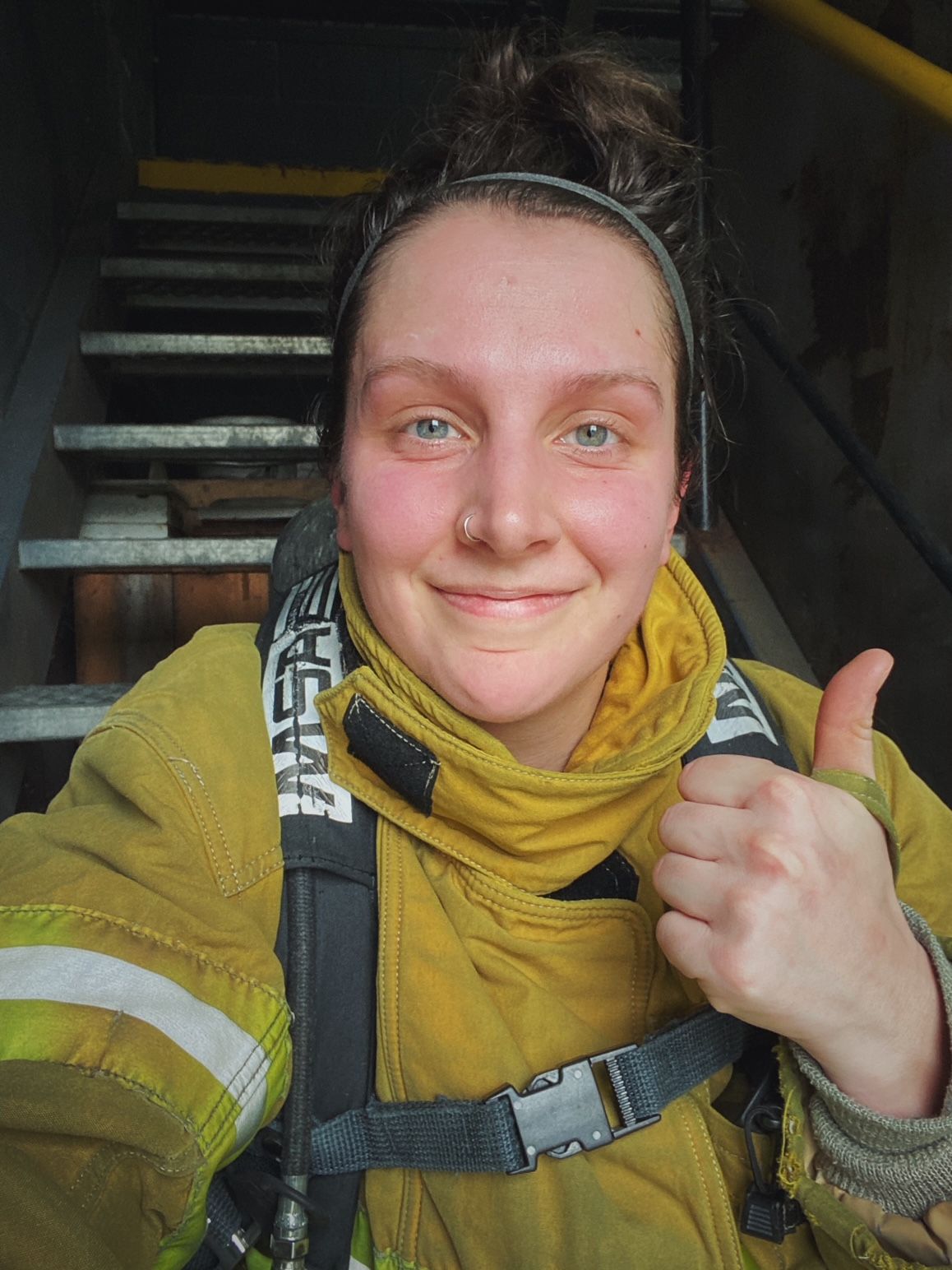
Somewhere in there I managed to finish my Master’s degree too. And honestly, looking back at that summary, I feel really good about my accomplishments. There were a lot of very long hours and very hard lessons learned in there, but so many incredible, unique experiences and wonderful people too. Taking account of my work and achievements, plus truly how much I loved a lot of what this kind of work entails, made it exceptionally difficult to leave the field full time. I was also never someone who knew exactly what they wanted to do with their life, and I figured I had found that. Well, first came long hours, then came burnout – compounded between work and life – so here we are today (more on that experience later.)
This post was prompted by a couple of things: maybe I’m just feeling reflective lately, but I also learned that it helps SEO if I have a blog on my website (apparently we’re going right back to our Tumblr days – or Nexopia, specifically for my fellow Canadians) and I’m clearly pretty long-winded so trying out a space where I can say A LOT more than an Instagram post seemed kind of appealing. Plus, to be very honest, I’m so sick of reading AI slop, so here are words directly from my brain to the internet. From my own Word document to your screen.
So here ya go – part one, what the hell is emergency management, to be followed by what exactly these lessons were that somehow translate into running my own small business and being okay with calling myself an artist. Maybe this is just screaming into the void, but if you’re a real human and made it this far: thanks for reading! Here's what you can expect for next time:
1. Getting feedback and being mentored matter
2. Exposure to other disciplines makes you better (and helps you find out pretty quickly what you don’t like)
3. When to say “no” - it's not the same for everyone, and don't let people tell you otherwise
And hey - if this did resonate with you, or you have questions - email me or shoot me a message on Instagram (blacksheep.portraits).
Until next post :)